Bring Histograph Serif Font to Life in Your Handmade Shop
The morning light hits my desk just right as I open my design software, ready to tackle a new batch of candle labels for an upcoming fall collection. I have the wax poured and the jars cleaned, but the real magic happens on the screen. I need a typeface that whispers "artisanal" without shouting too loudly. That is when I pull up Histograph. There is something deeply satisfying about seeing those elegant curves settle onto the virtual label. It feels less like picking a font and more like choosing the perfect ribbon for a gift. For makers like us, whether we are crafting physical goods or designing digital printables, finding that one serif font that ties everything together can transform a simple product into a branded experience.
The Visual Personality of Histograph
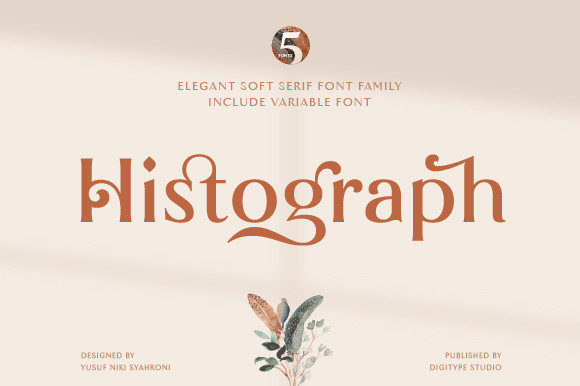
Histograph is not just another file in your typography folder; it is a statement piece. As a trendy serif, it balances classic elegance with a modern, approachable vibe. The strokes have a deliberate weight that makes them feel substantial, yet the finer details add a touch of sophistication. When I zoom in on the glyphs, I am reminded why I love working with high-quality fonts. The character shapes are distinct, offering a mood that is both warm and professional. It is the kind of typeface that looks equally at home on a rustic farmhouse sign as it does on a chic wedding invitation suite.
What truly sets this premium font apart for product creators is its versatility. It does not scream for attention, which allows your product photography and materials to shine. Instead, it provides a sturdy, beautiful foundation for your brand identity. Whether you are designing a logo for a boutique or creating social media graphics to announce a shop update, Histograph brings a level of polish that customers instantly recognize as quality.
From Screen to Physical Product
Let's talk about real-world application. I recently used Histograph for a set of holiday gift tags intended for small batch soaps. The goal was to create a look that felt handmade but refined. Because Histograph is PUA encoded, accessing the special characters was effortless. I could swap out standard letters for alternate glyphs and add subtle swashes to the capital letters, giving each tag a unique, custom-typed feel without needing to manually draw anything. This feature is a game-changer for sellers who want their packaging to feel personal.
Beyond labels, imagine using this display font for your greeting cards. A simple "Thank You" or "Happy Birthday" centered on a cardstock background becomes instant art when rendered in Histograph. The serifs catch the ink beautifully, whether you are printing at home on an inkjet or sending files to a professional press. For those of us who sell digital downloads, such as printable wall art or planner pages, this font adds immediate value. A motivational quote printed in Histograph feels authoritative yet gentle, making it a bestseller for home office decor.
I also love testing how it translates to fabric and hard goods. When designing a tote bag or a mug, readability is key. Histograph holds up well even when scaled down for a small sticker or blown up for a large banner. However, a word of advice for fellow crafters: always print a test sheet. While Histograph is incredibly legible, very small text under six points might lose some of those delicate serif details on certain materials like textured paper or rough canvas. For product labels and bottle necks, keep your phrases short and punchy to let the typography do the heavy lifting.
Elevating Brand Consistency
Consistency is the secret sauce of any successful handmade business. When a customer sees your Instagram post, visits your Etsy shop, and then unboxes their purchase, the visual language should remain seamless. Using Histograph across all these touchpoints creates a cohesive brand identity. I use it for my shop banner, my listing images, and even the watermarks on my mockups. This repetition builds recognition. Customers start to associate those specific letterforms with the quality of my work.
This consistency extends to packaging design as well. A simple brown kraft box becomes luxurious when sealed with a sticker featuring Histograph in a deep charcoal or gold foil. It elevates the perceived value of the item inside. For wedding stationery designers, this font is a dream for save-the-dates and welcome boards. It pairs exceptionally well with flowing script fonts for names, creating a dynamic contrast between structure and flow. If you prefer a cleaner look, pairing it with a simple sans serif font for the body text ensures that all the important details are easy to read while the headlines steal the show.
Practical Tips for Makers and Designers
Before you finalize your designs for commercial sale, there are a few practical steps to ensure success. First, explore the full range of included styles. Histograph often comes with ligatures and alternates that can prevent repetitive-looking words in longer phrases. Play with these options in your design software to find the most balanced composition. Second, consider your medium. If you are cutting vinyl with a Cricut or Silhouette, ensure the nodes are clean. Serif fonts can sometimes be tricky for weeding if the serifs are too fine, but Histograph generally offers a robust structure that cuts cleanly.
- Check Licensing: Always review the commercial license before selling physical products, templates, or SVG designs. Ensure your usage aligns with the creator's terms for mass production or digital resale.
- File Formats: Verify you have the right file formats (OTF, TTF, WOFF) for your specific workflow, whether that is Adobe Illustrator for vector logos or Canva for quick social posts.
- Contrast Matters: When using Histograph on dark backgrounds or busy textures, increase the tracking slightly and ensure high contrast to maintain readability.
- Pairing Strategy: Mix Histograph with a handwritten font for a playful, eclectic vibe, or stick to a bold display font for a modern, editorial look.
Ultimately, incorporating a thoughtful creative font like Histograph into your workflow is about more than just aesthetics. It is about communicating care. When a customer picks up a candle or opens an invitation, the typography is the first thing they read. It sets the tone for their entire experience. By choosing a versatile and elegant serif, you are telling them that attention was paid to every detail. So, the next time you are staring at a blank canvas or a stack of plain tags, give Histograph a try. Watch how it transforms your simple ideas into polished, professional products that you are proud to put your name on.