Figurative: A Distinct Serif Typeface for Modern Web Design
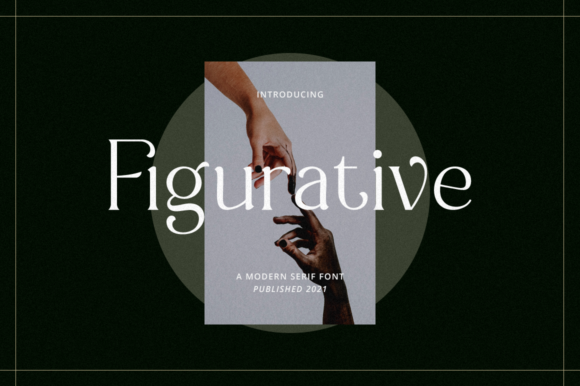
In the crowded landscape of digital product creation, typography is often the silent ambassador of your brand. As web designers and UI specialists, we know that the choice between a sans serif font and a serif font can dictate the entire emotional trajectory of a user's journey. Enter Figurative, a distinct, elegant, and authentic serif font designed to elevate creative ideas to their highest potential. This isn't just another display typeface; it is a tool crafted for those who need to balance aesthetic sophistication with functional clarity in headers, landing pages, and brand-focused web experiences.
Elevating Visual Hierarchy with Authentic Character
The primary challenge in modern web design is establishing a clear visual hierarchy without sacrificing personality. Many premium fonts lean too heavily into trendiness, resulting in layouts that feel dated within months. Figurative avoids this trap by offering a timeless yet contemporary silhouette. Its authentic strokes provide enough contrast to draw the eye immediately, making it an exceptional choice for hero sections and main headlines on SaaS landing pages or boutique online stores.
When used in large sizes, the serifs of Figurative create a rhythmic flow that guides the reader's scanning behavior. Unlike generic system fonts, this typeface adds a layer of editorial polish that instantly signals professionalism and trust. For a coaching website or a high-end portfolio, using Figurative for section headings creates a sophisticated anchor point, allowing the rest of the content to breathe around it. The font's distinct character ensures that your most important messages—whether it's a value proposition or a call-to-action header—stand out against the noise of the internet.
Strategic Applications in Digital Layouts
Understanding where to deploy Figurative is key to maximizing its impact. While it shines as a display font for titles, its versatility extends across various digital touchpoints:
- Hero Sections: Use it for impactful, short phrases that define your brand voice immediately upon page load.
- Blog Graphics: Perfect for overlay text on featured images, providing an editorial look that encourages clicks.
- Product Banners: Ideal for online shop promotions where elegance drives perceived value.
- Course Pages: Adds authority to curriculum headers and module titles in educational platforms.
- Logo Design: The authentic curves make it a strong candidate for logotypes, especially for lifestyle brands or creative agencies.
However, caution is advised regarding body copy. While some serif fonts work well for long-form reading on screens, Figurative is best utilized for short phrases, subheads, and decorative accents. For the main body text of an article or a dense terms-of-service page, pairing it with a clean, legible sans serif font is the recommended approach. This combination creates a dynamic tension: the warmth and tradition of the serif paired with the neutrality and readability of the sans serif.
Optimizing Readability Across Devices
A beautiful font is useless if it fails on mobile devices. In responsive layouts, the details of a serif font can sometimes get lost or appear muddy at smaller sizes. When implementing Figurative in your CSS, pay close attention to line height and letter spacing. On mobile screens, slightly increasing the line height can prevent the ascenders and descenders from colliding, preserving the font's elegant proportions.
Contrast is another critical factor. Figurative performs exceptionally well on light backgrounds, where its fine details are crisp and clear. If you are designing a dark mode interface or placing text over image overlays, ensure there is sufficient contrast. You may need to use a bolder weight or add a subtle text shadow to maintain legibility. Avoid using this font on small buttons or navigation links where pixel density might blur the serifs; reserve it for elements where the user has time to appreciate the typography.
Building a Cohesive Brand Identity
Your choice of typography is a cornerstone of your brand identity. Figurative brings a specific tone—one of refinement, creativity, and authenticity. When used consistently across your design assets, from social media graphics to email headers, it reinforces brand recognition. Imagine a digital product creator launching a new course; using Figurative for the sales page headers and the certificate design creates a unified experience that feels premium and thoughtful.
For those working in editorial design or creating content-heavy websites, this font offers a narrative quality. It suggests that the content behind the headline is worth reading. This psychological cue can subtly improve user engagement and time-on-page metrics. By moving away from the sterile default fonts and embracing a character-rich modern typography solution like Figurative, you signal to your audience that attention to detail is a core value of your business.
Technical Considerations and Licensing
Before integrating Figurative into your next client project or online store, it is essential to review the technical specifications. Check the included styles and weights to ensure you have the flexibility needed for different screen resolutions. Most professional commercial fonts today come with webfont formats (WOFF/WOFF2) optimized for fast loading times, which is crucial for Core Web Vitals and overall site performance.
Additionally, verify the multilingual support if you are designing for a global audience. A robust character set ensures that your brand tone remains consistent regardless of the language being displayed. Finally, always adhere to the licensing agreement. Whether you are using this for a personal blog, a client's landing page, or a digital template you intend to sell, understanding the scope of your commercial font license protects you and your clients from legal issues. Proper licensing ensures that the creators of Figurative are compensated for their craft, allowing them to continue producing high-quality design assets for the community.
In conclusion, Figurative represents more than just a set of glyphs; it is a strategic asset for digital creators. By thoughtfully applying this serif font to your headers, banners, and branding materials, you can create web experiences that are not only visually stunning but also deeply effective in communicating your unique message.